Case Study · State Papers · Elizabethan · September 2026
Reading England's Nerves in 1588
Behind a client's MA dissertation on the Spanish Armada: what the State Papers Domestic actually reveal about the summer of 1588 — not the naval drama everyone knows, but months of county lieutenants trying to arm England on short notice, one anxious letter at a time.
Palaeography Notes · Reading Old Documents · September 2026
Why the Document Isn't Always the Answer
People often hope a historical document will finally settle a long-standing family question. Sometimes it does — more often, a faithful transcription hands back a sharper, more precise set of questions instead. Why old legal papers were written for readers who already knew the background, why one document is rarely the whole story, and what a transcription can still give you even when it doesn't close the case.
Ancestor Stories · Family Legends · Sussex · July 2026
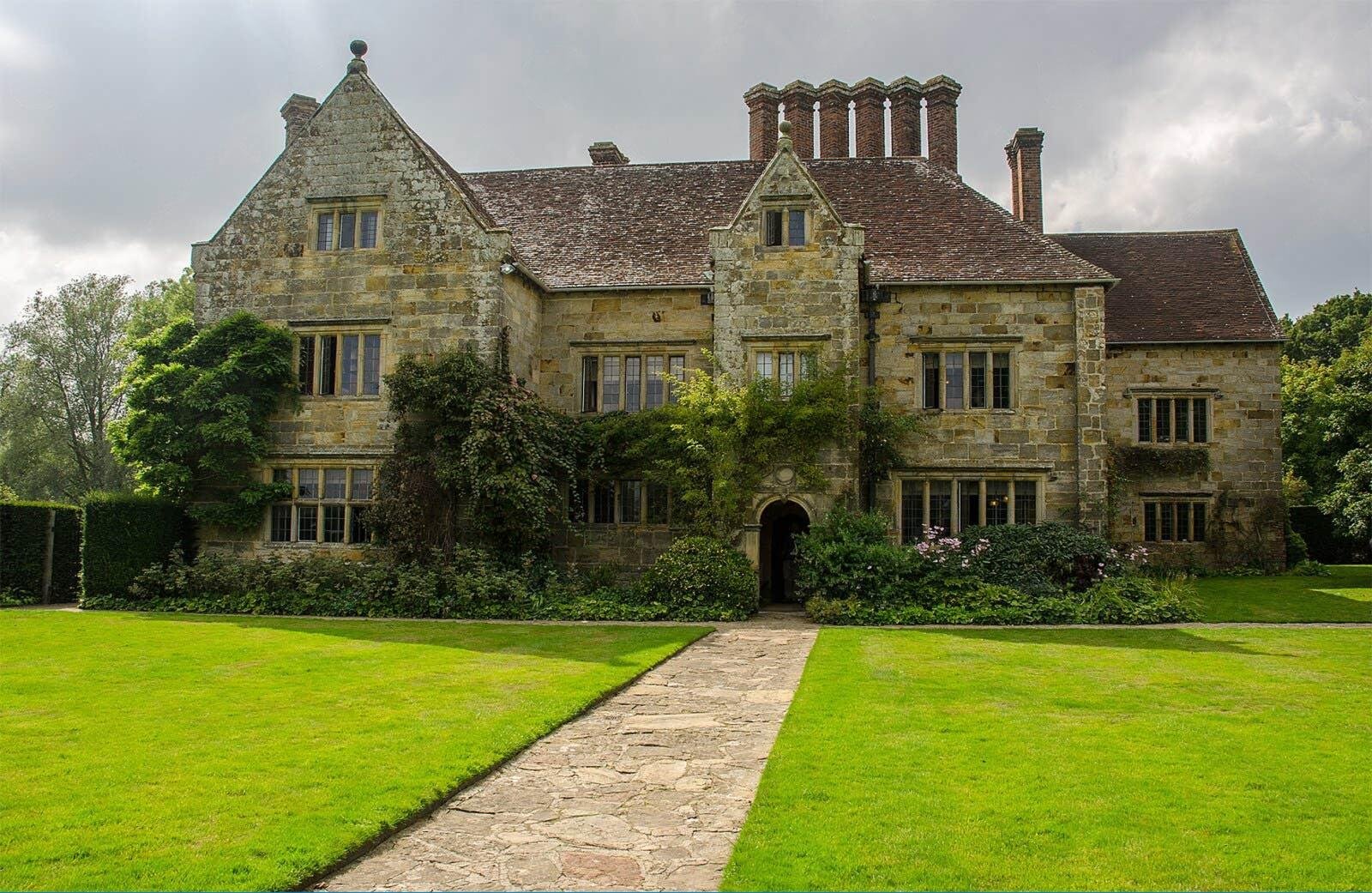
The House We Lost at Cards: A Family Legend at Kipling's Bateman's
A copy of Puck of Pook's Hill arrives in the post, and with it the old family chestnut: that an ancestor lost Bateman's — Rudyard Kipling's Sussex home — in a card game. The deeds, the census, and two family trees told a stranger story. The loss was entirely real, the line of descent from the owner runs unbroken to our own kitchen table — and both sides of the family turn out to descend from the same seventeenth-century Pattenden of Waldron. A case study in why family legends are maps, not myths.

For Writers · Research & Primary Sources · May 2026
What Historical Fiction Writers Find When They Go to the Source
A secondary source tells you what happened. A primary source shows you how people talked about what happened — and that is an entirely different thing. From probate inventories to court depositions, manorial rolls to settlement examinations: what the original documents contain, why they matter for historical fiction, and how to access them when secretary hand stands in the way.
Palaeography Notes · Legal Records · Elizabethan & Stuart · May 2026
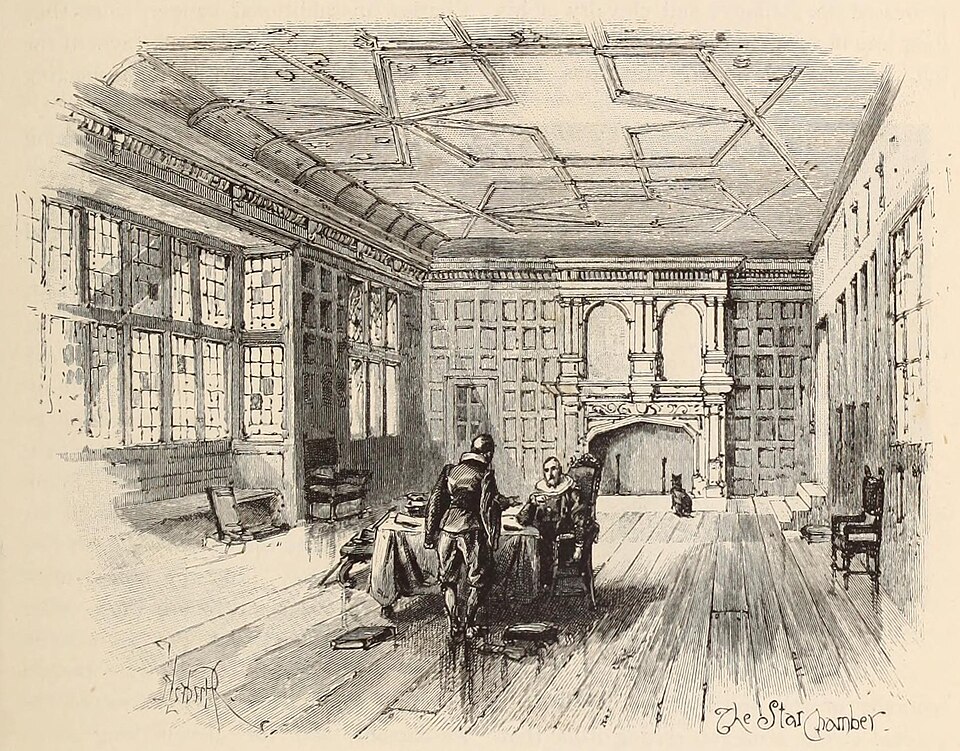
A Room of Stars: The Court of Star Chamber and What Its Records Reveal
No jury, no right to silence, and some of the most vivid documents in the English archive. The Court of Star Chamber sat for nearly two centuries — and what its clerks wrote down is extraordinary. What the STAC records contain, why they matter for family and local historians, and why reading them requires an experienced hand.
Ancestor Stories · Women's History · 1920s Britain · April 2026
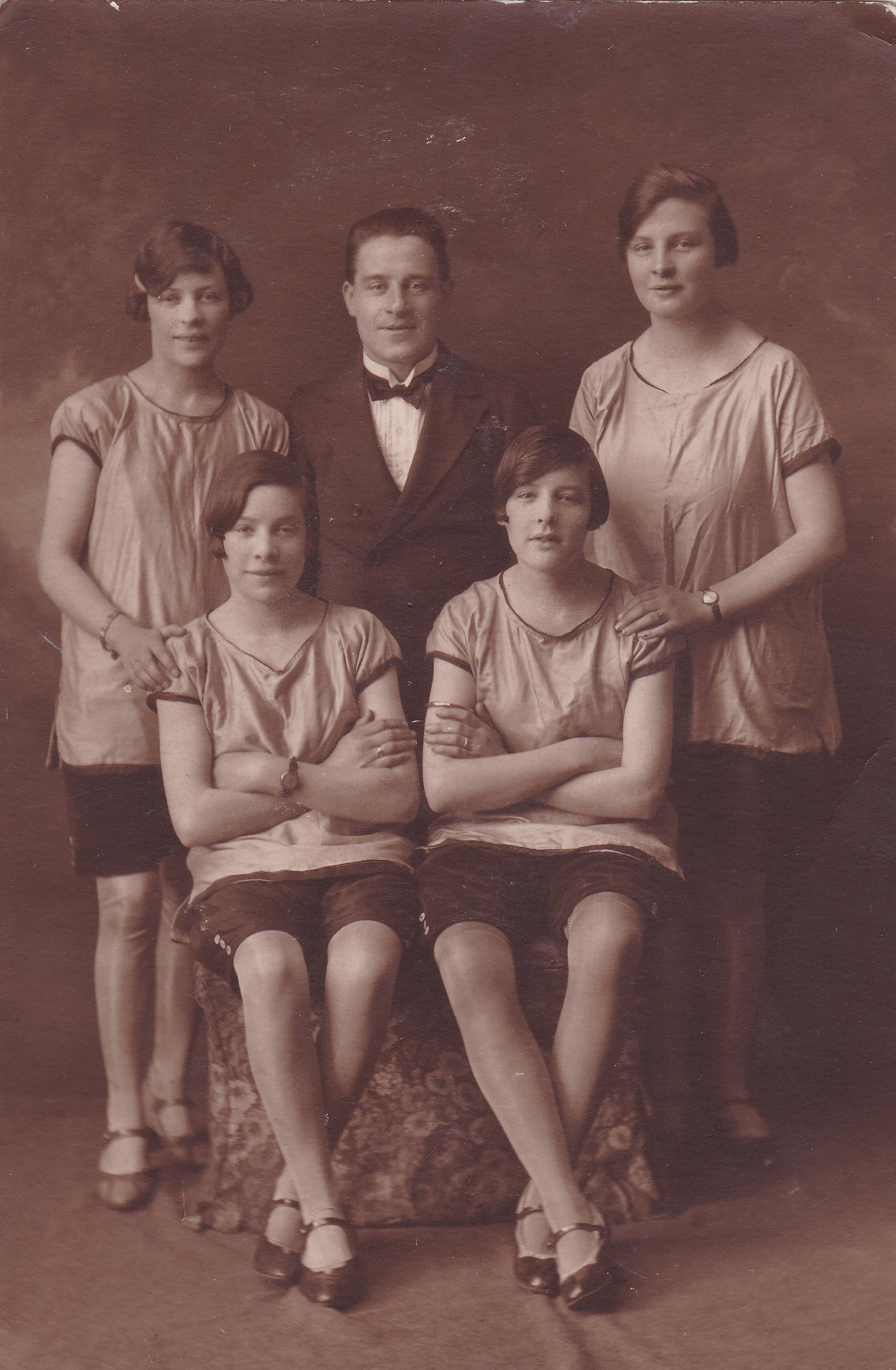
The Flappers Nobody Wrote About: The Wheeler Sisters of North London
Four sisters from Wood Green and Edmonton, a piano-playing suitor who played entirely by ear, matching satin costumes, and a professional studio portrait. Ruby, Constance, and twins Dorothy ('Fairy') and Gladys ('Darkie') were the flappers the gossip columns never found — and what the photograph they left behind tells us about the women history forgot to record.
Palaeography Notes · Wills & Probate · Latin · March 2026
What Does the Latin Mean? Reading the Probate Clause on a PCC Will
Most people who download a will from The National Archives find Latin at the top and bottom and have no idea what it says. Here is a complete plain-English guide — phrase by phrase, with date conversions and a full phrase table — to exactly what the PCC probate clause records and why it matters for your research.
Document Spotlight · Poor Law · Westminster · March 2026
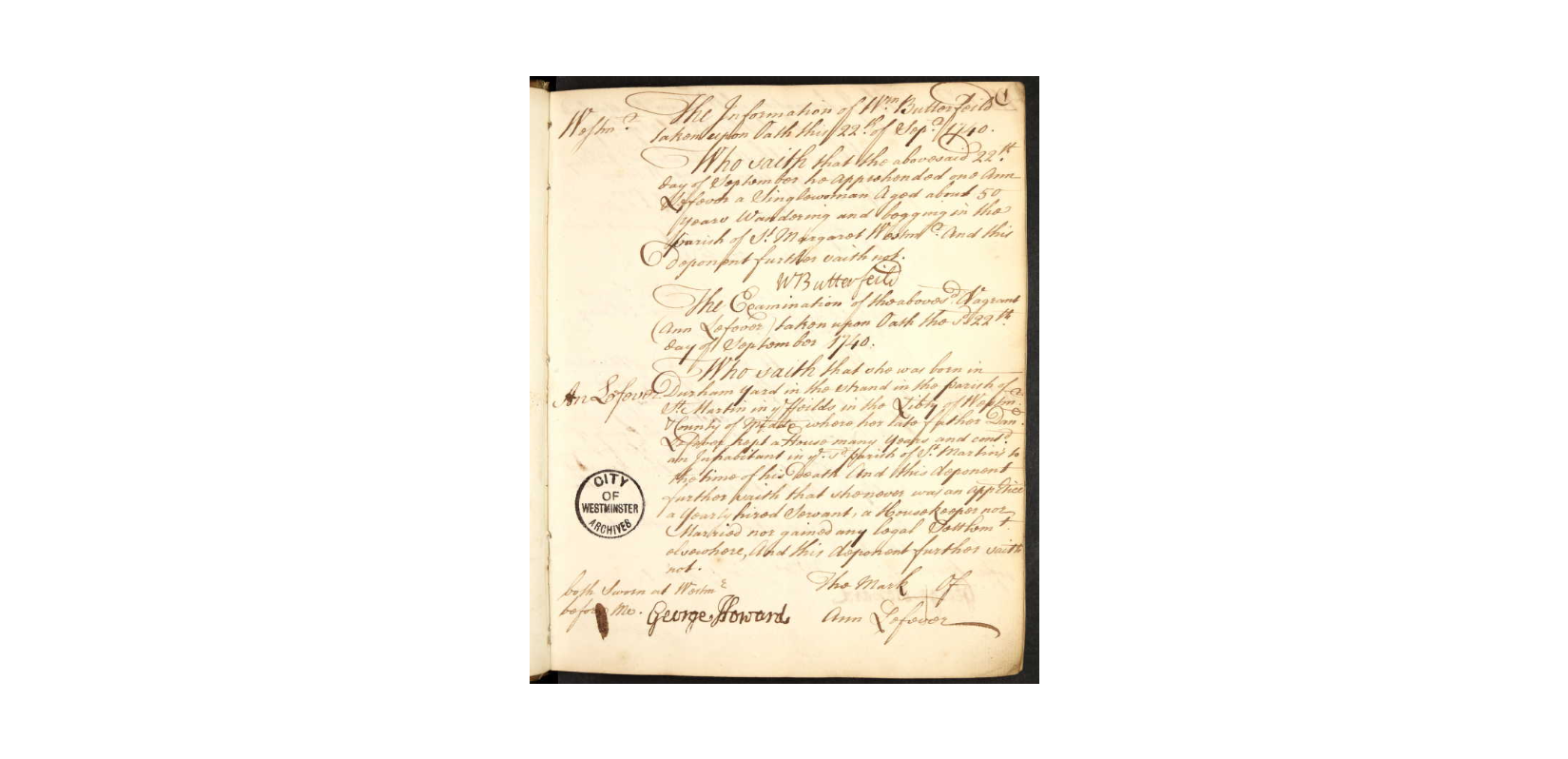
The Woman Who Kept Coming Back: Ann Lefever, Westminster Vagrant 1697–1756
A settlement examination from 1740 becomes the key to recovering an entire life. Ann Lefever — daughter of a Huguenot householder, unable to write her own name — spent nearly two decades cycling in and out of the St Martin-in-the-Fields workhouse, admitted at least eighteen times before dying there on 30 May 1756. Her story, recovered from thirty documents across multiple Westminster poor law registers, shows what a single transcription can unlock.
Case Study · Wills & Probate · Kent · February 2026
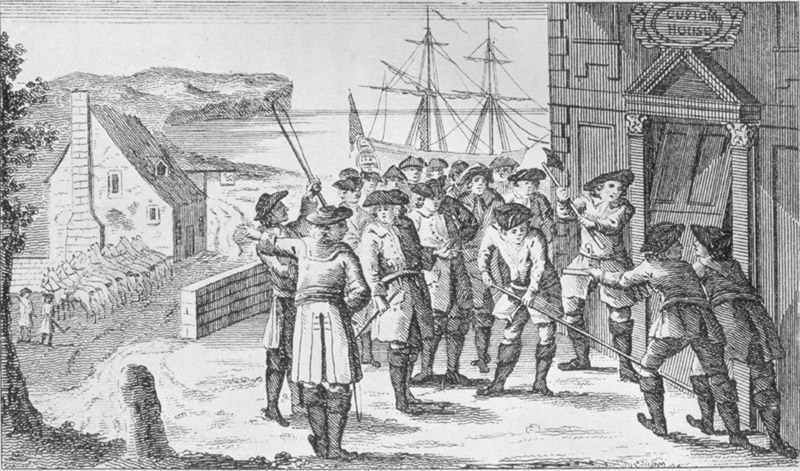
The Money Man of the Hawkhurst Gang: What a Will Reveals
A transcription of James Stanford's 1749 will — chosen for its connection to the notorious Hawkhurst Gang — opens a window into Georgian smuggling, a Kentish family, and a genealogical mystery stretching back to Tudor England. The research that followed produced something unexpected: proof of my own descent from Trip Stanford, through a common ancestor in Tudor Edenbridge — and a case study in what careful genealogical detective work can yield from a single document.
Ancestor Stories · Family History · Sussex · February 2026
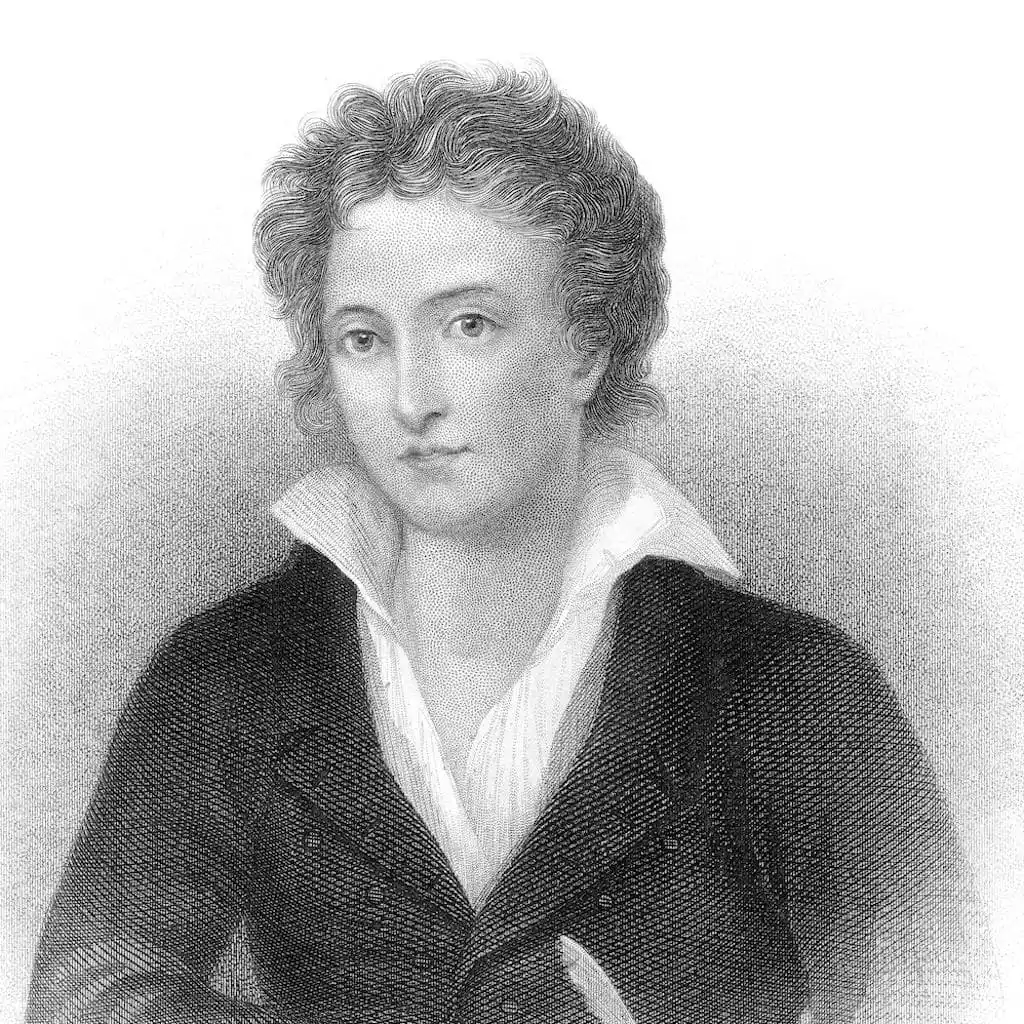
A Name in the Tree: Following the Bysshe Line to Percy Shelley
The discovery of Sarah Bysshe (1696–1732) in a West Hoathly parish register opens a door into a Sussex and Surrey family with deep roots — and their blood runs, through two separate branches, through both Percy Bysshe Shelley and through my own family tree.
Ancestor Stories · Family History · London · February 2026
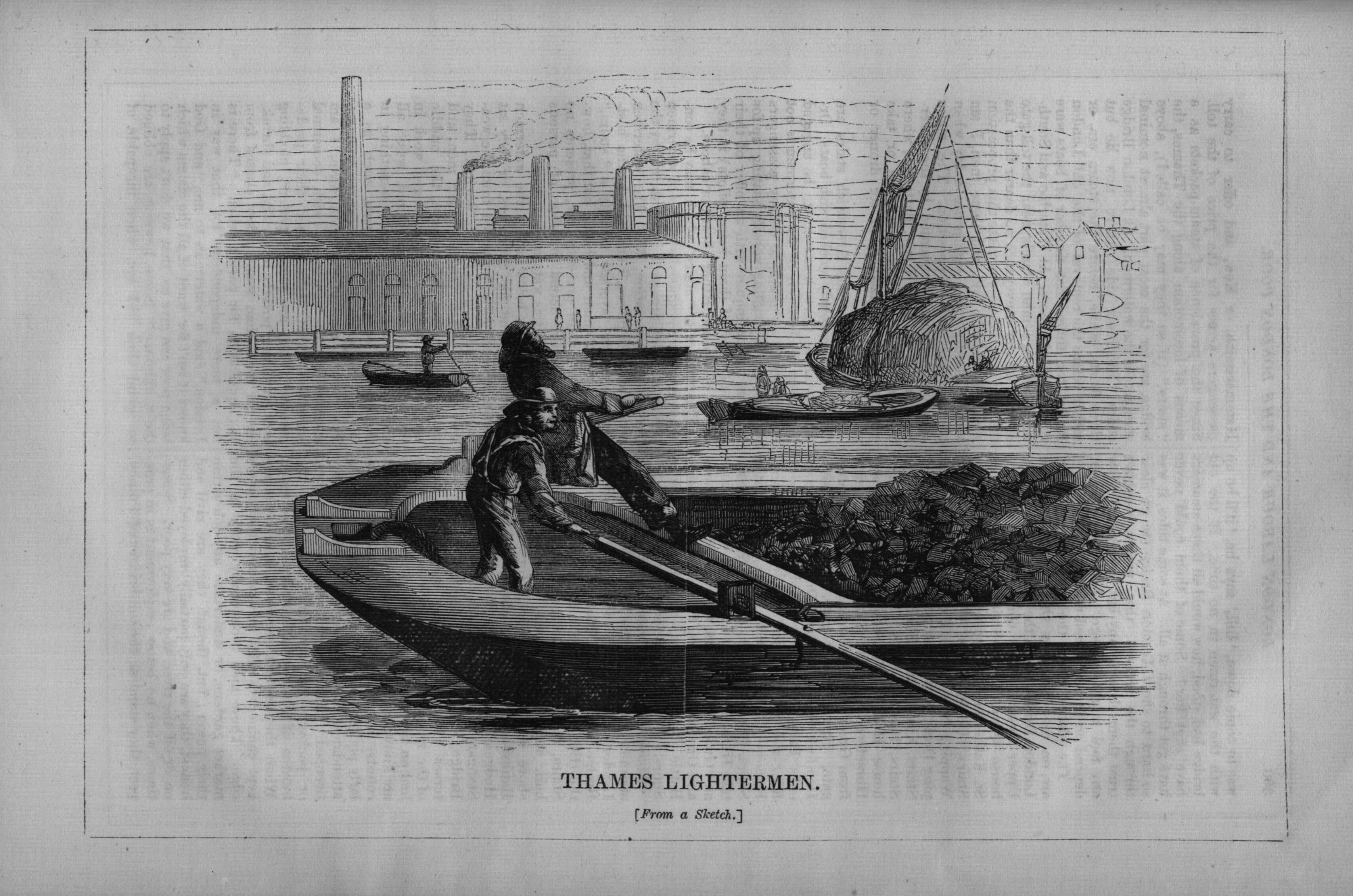
Working the River: The Pealing Family of Rotherhithe
There is a particular kind of family history that leaves few traces in the grand archives. It is written instead in the grain of a working life — in the knowledge of tides and currents, in three generations born within the same riverside parish, in the address of a death recorded in the shadow of London Bridge. The Pealings of Rotherhithe were such a family.
Ancestor Stories · Archives · Manuscripts · February 2026
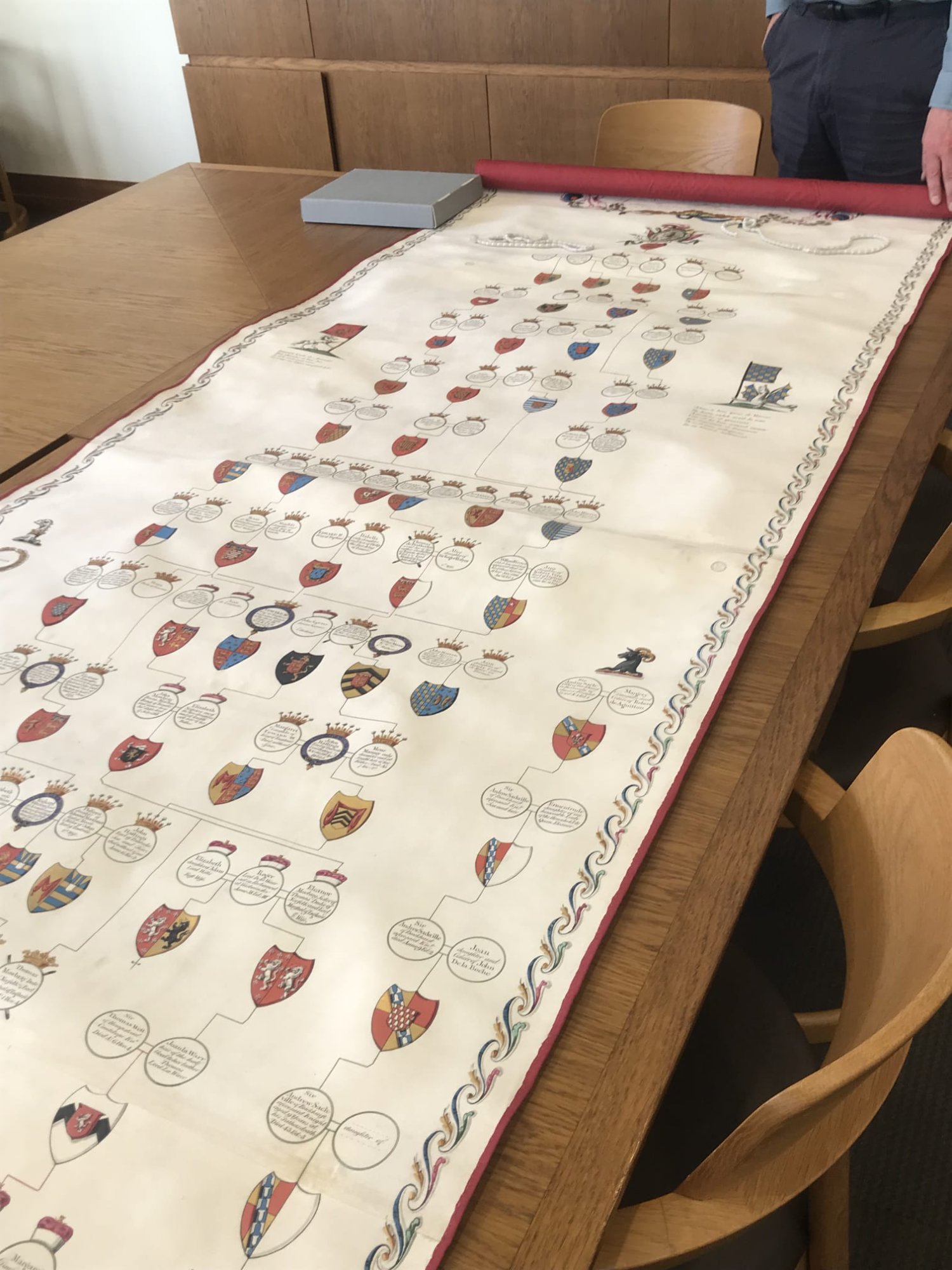
Touching the Past: A Day with the Shelley Manuscripts at the Bodleian
A visit to the Bodleian Library, Oxford — guided by Stephen Hebron, Curator of Special Projects — to view the Shelley-Bysshe Collection. Percy Shelley's notebooks with Ozymandias in his own hand. The crossings-out still visible in Mary Shelley's Frankenstein manuscript. And a twenty-foot illuminated family scroll that turned out to be part of my own story too.